
KINDRED COLOR STUDIO Natural-Looking Hair Extensions in Woodbridge, VA
Hair extensions should do more than add hair.
They should blend with your natural hair, feel comfortable on your scalp, work with your lifestyle, and make sense for the hair you actually have — not just the hair you wish you had.
At Kindred Color Studio, we specialize in thoughtful, natural-looking hair extensions for clients who want more length, fullness, density, shape, or balance without ignoring long-term hair health.
We do not start by adding the most hair possible.
We start by looking at your natural density, scalp comfort, hair strength, color, texture, goals, and what your hair can realistically support.
Considering extensions with Audrey? Review her process, availability, starting investment, and maintenance expectations before submitting an inquiry.
Our Approach to Hair Extensions
The best extension work should look believable, feel comfortable, and grow out in a way that still makes sense between appointments.
At Kindred, we build every extension plan around your natural hair, scalp, texture, goals, and long-term results.
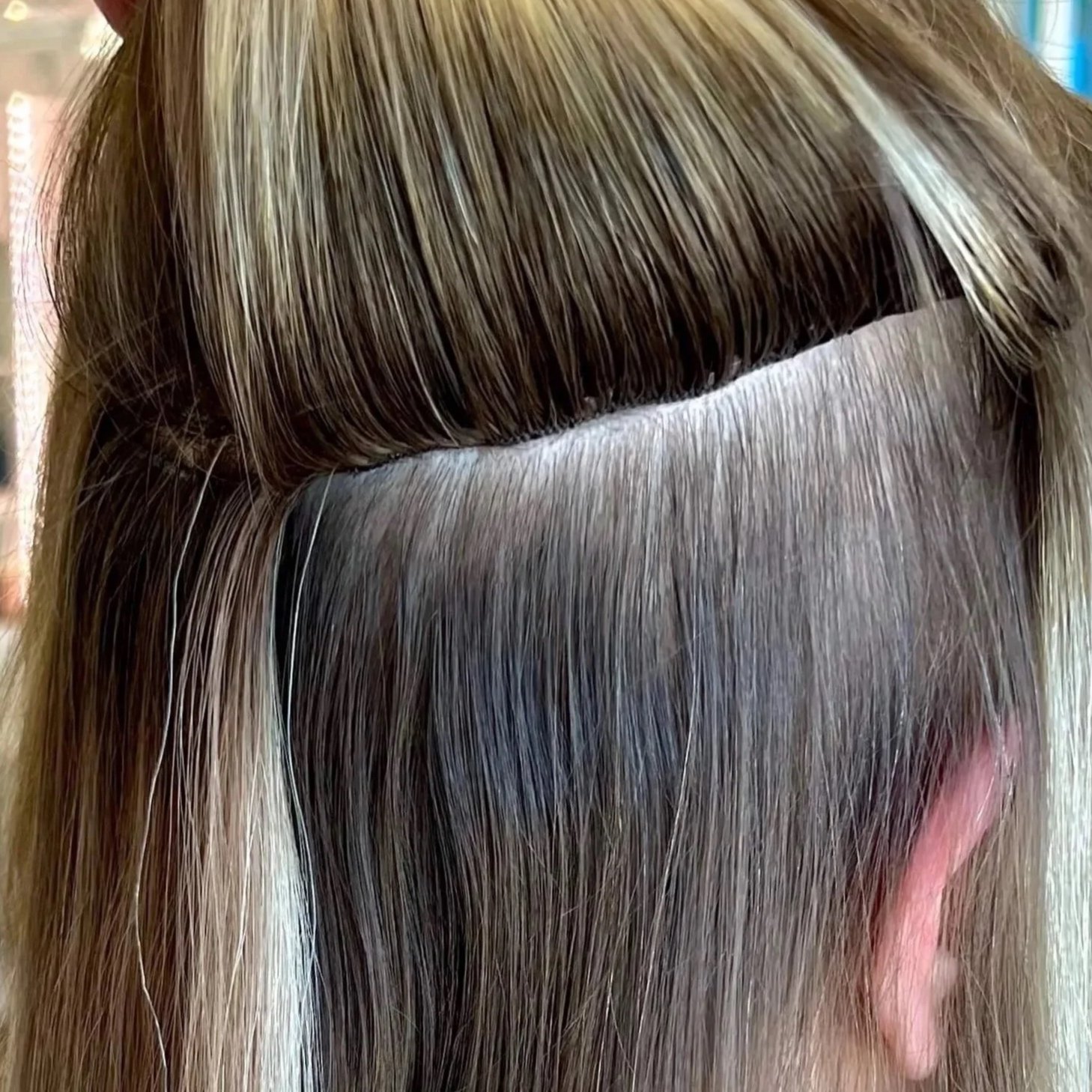
Density
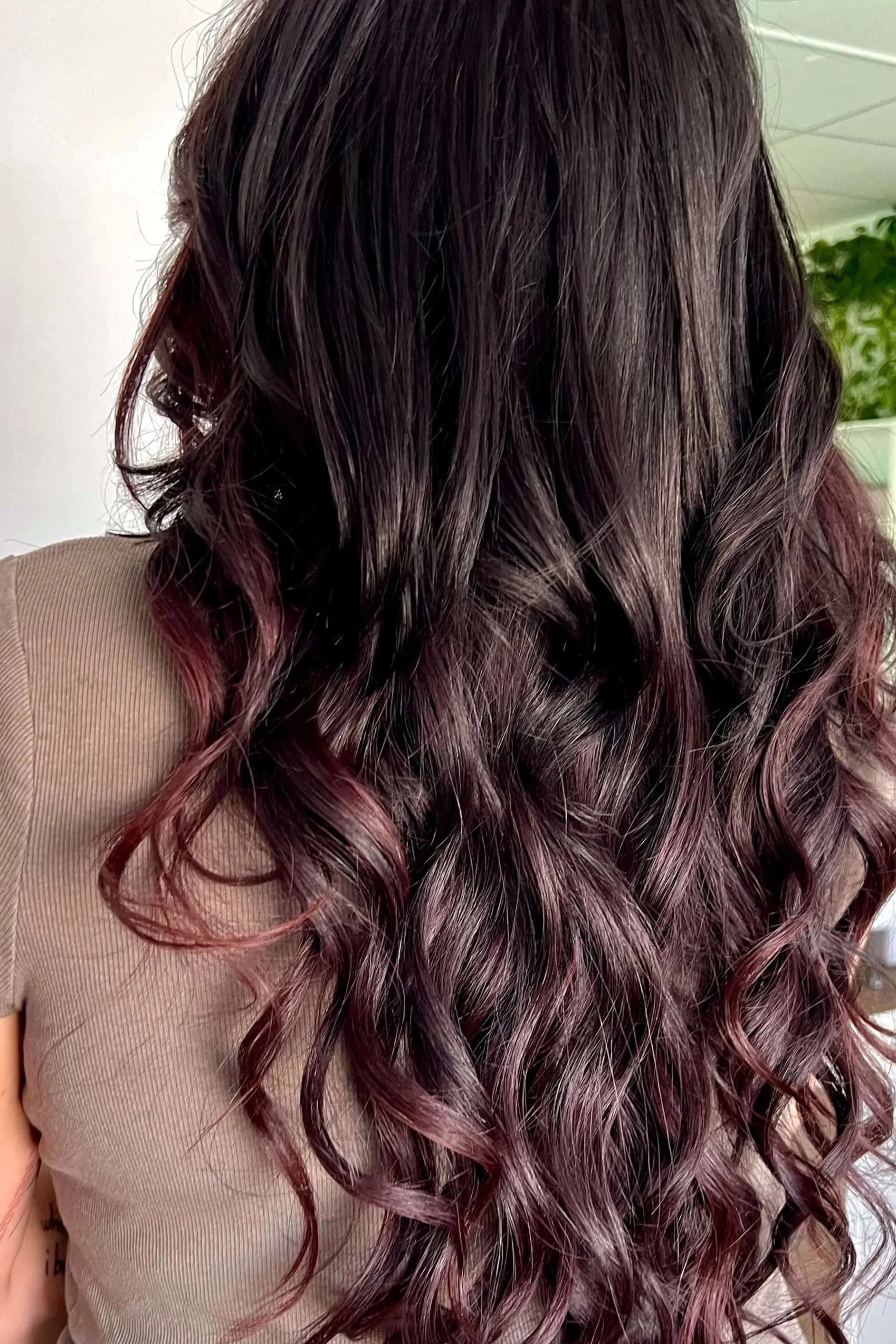
The goal is not to make your hair look like someone else’s hair. The goal is to create length, fullness, or shape that still looks believable on you.
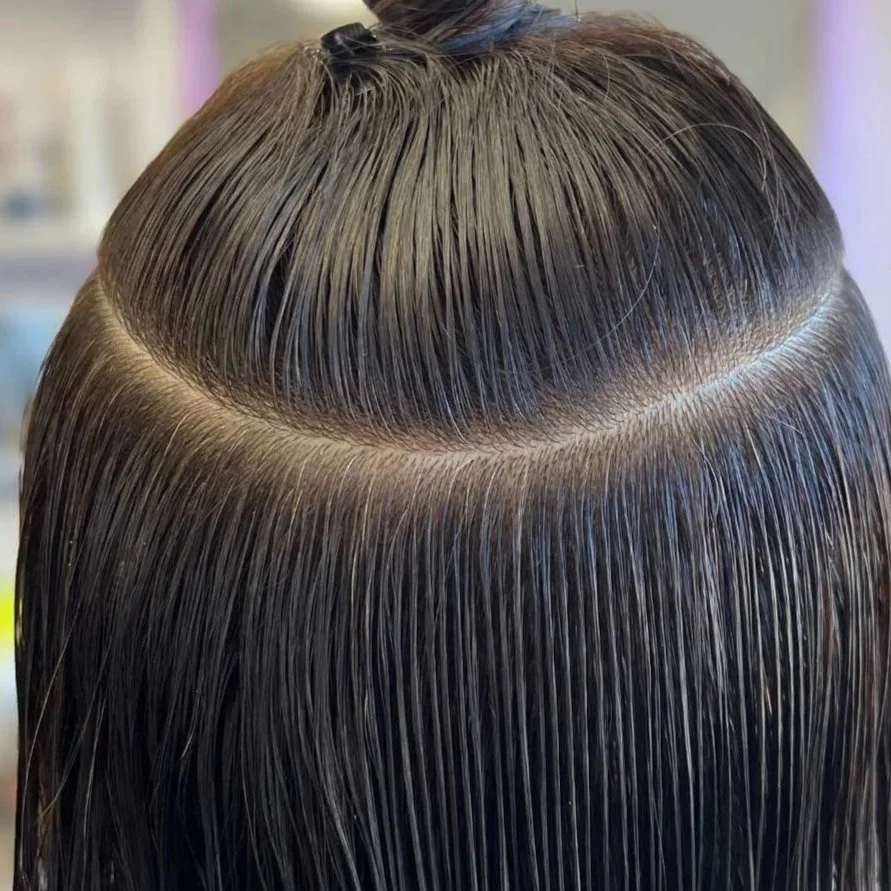
Placement
Extensions should not feel painfully tight, heavy, or irritating. Placement, weight distribution, and scalp comfort all matter.
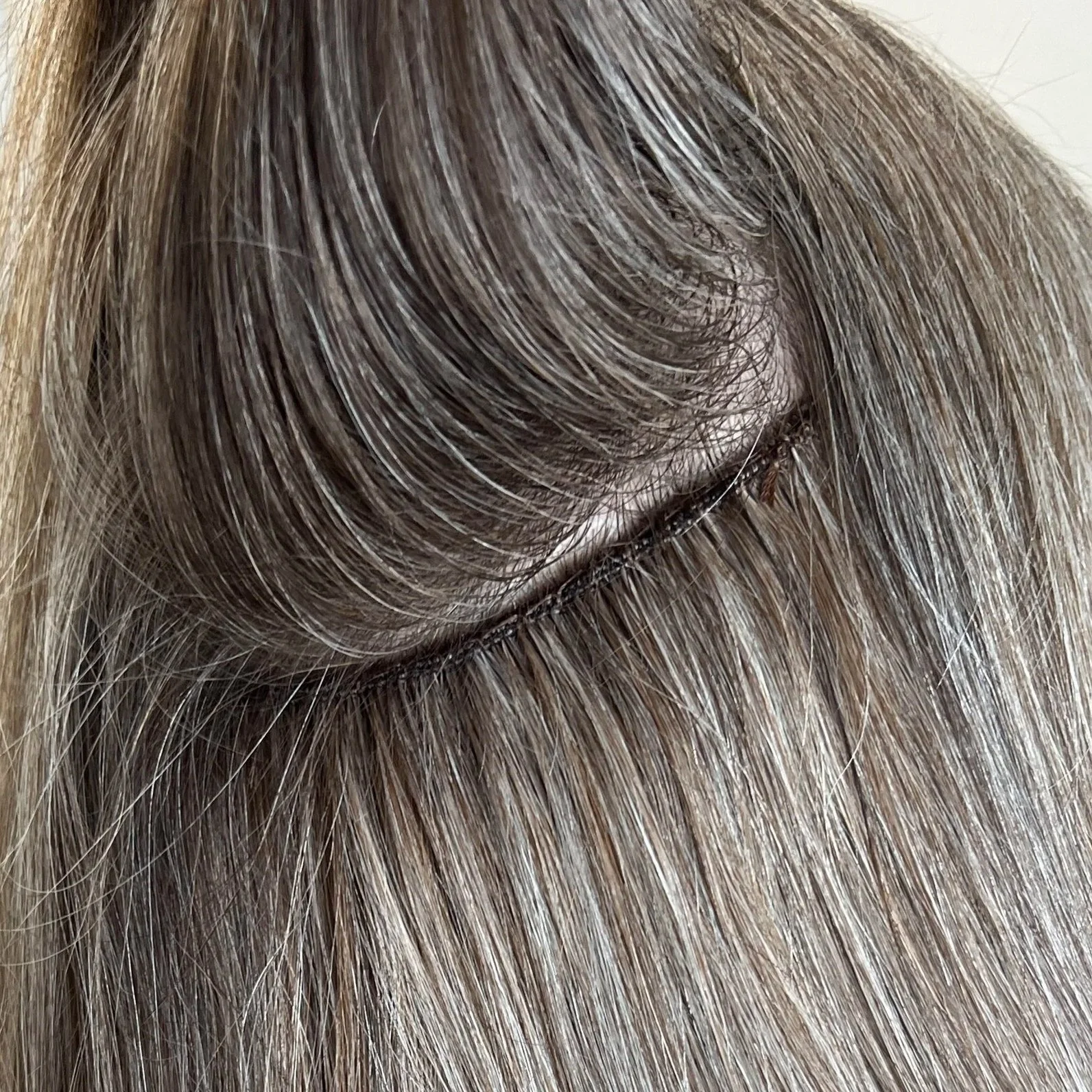
Color
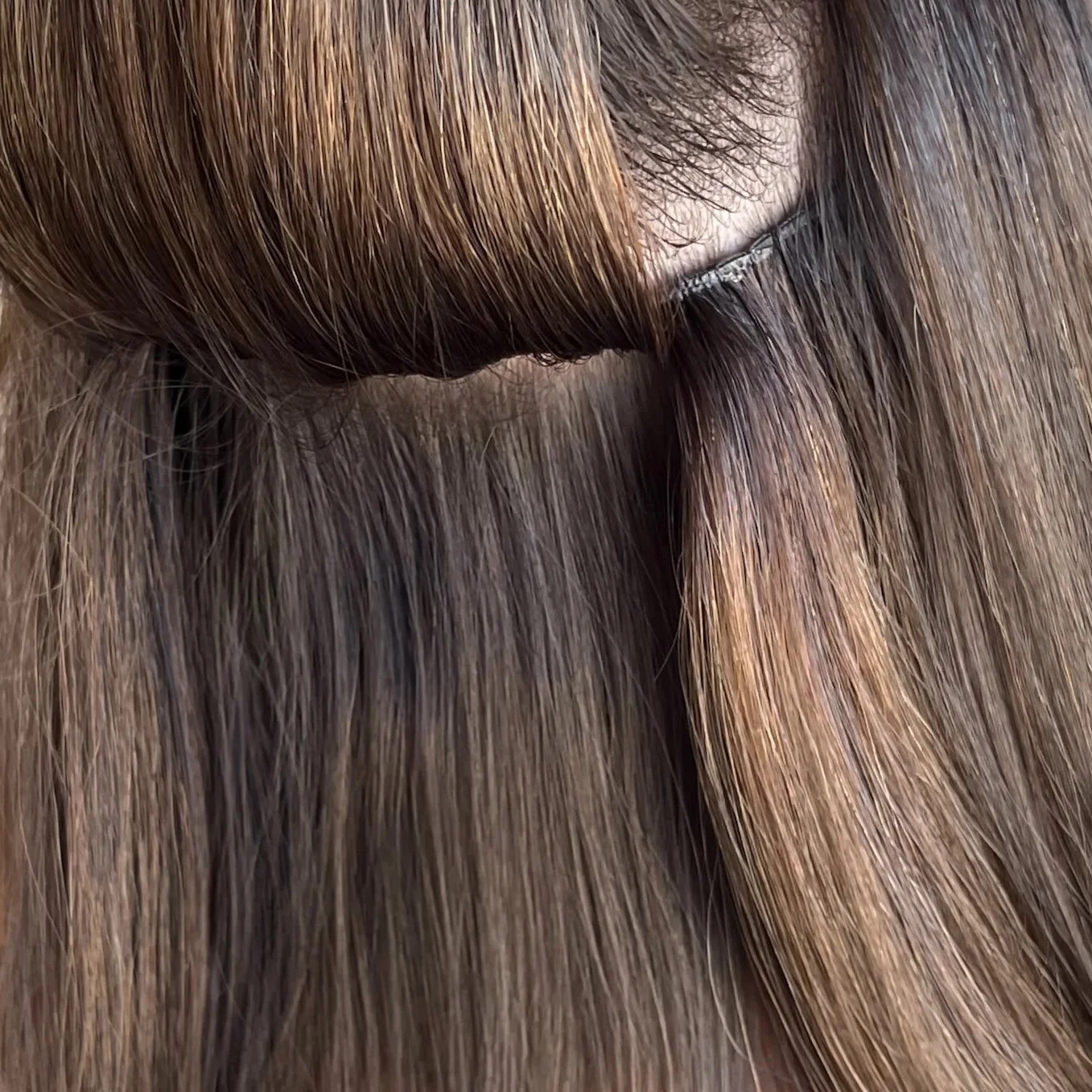
A natural result depends on more than finding a close shade. We blend extensions with your brightness, dimension, root area, and overall tone.
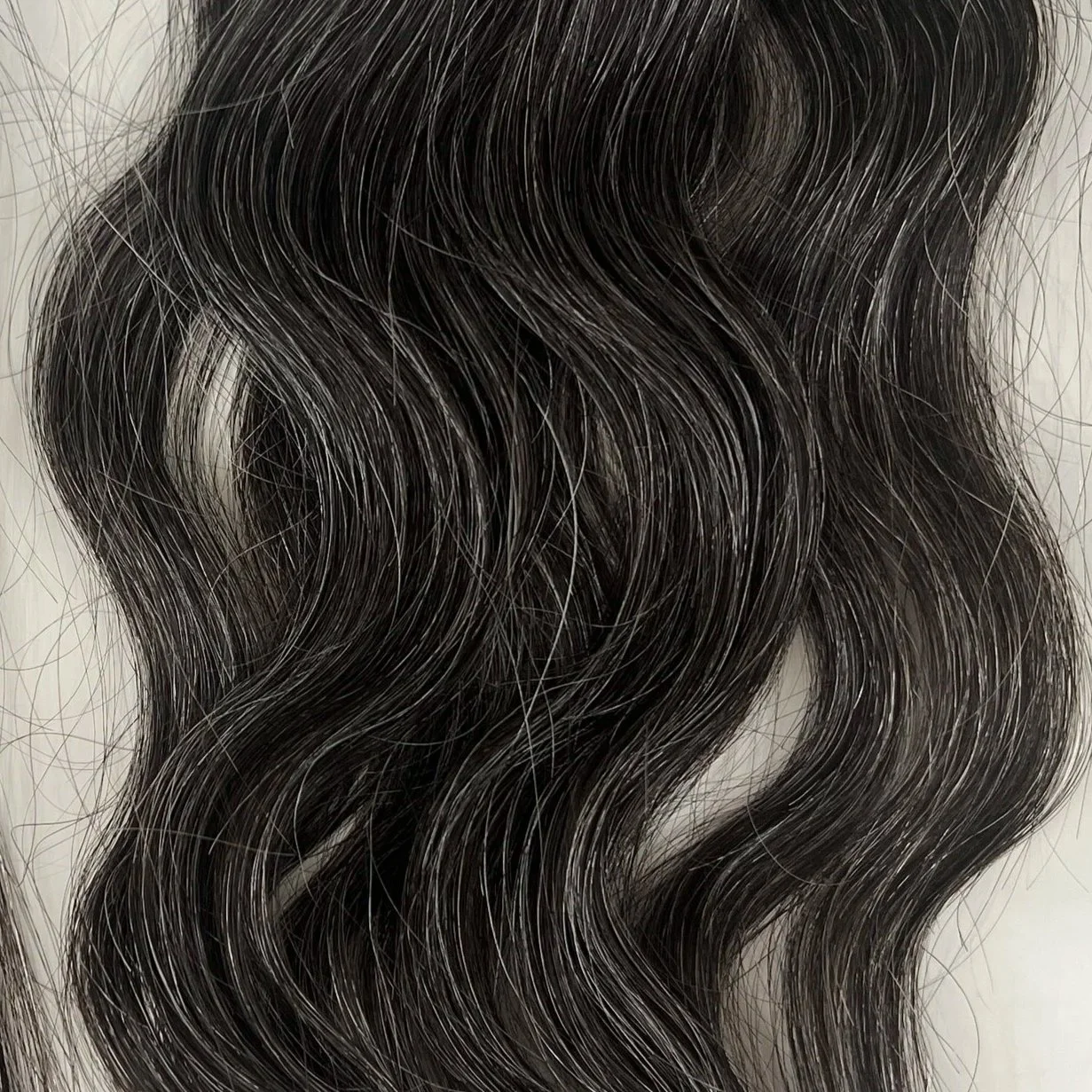
Texture
Texture has to be considered separately from color. We look at how your hair moves, bends, expands, smooths, curls, and behaves in humidity.
Realistic
Longer is not always better. The right length is the one your hair can support, your lifestyle can maintain, and your natural hair can blend into.
Daily care
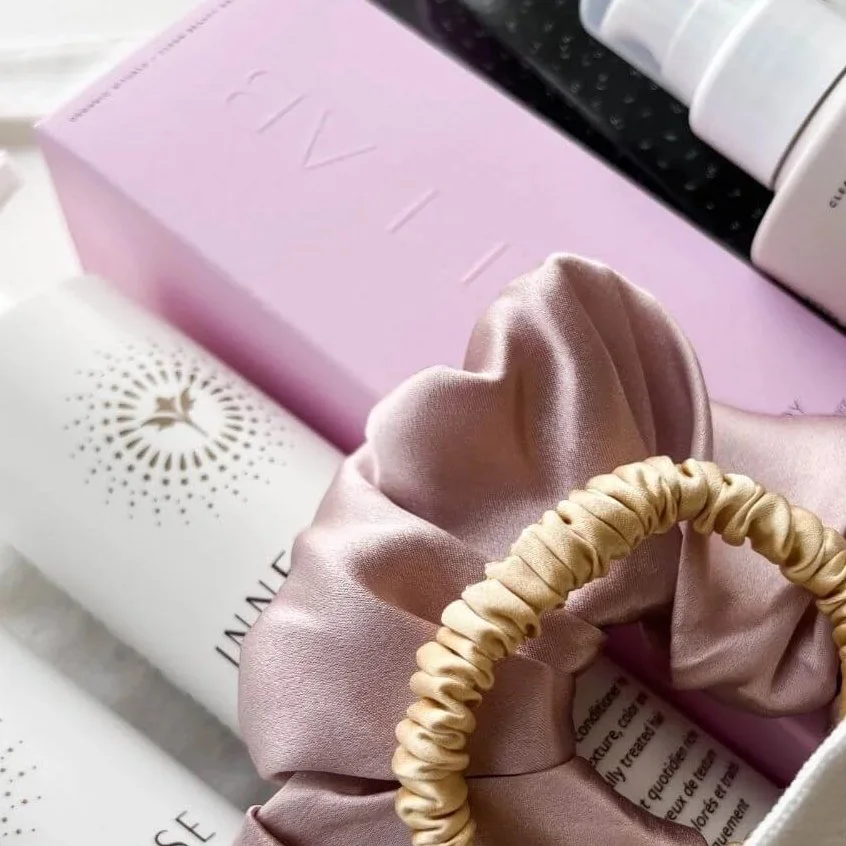
Extensions require care beyond maintenance appointments. We’ll talk honestly about brushing, cleansing, styling habits, and what it takes to keep your hair in good condition.

Complete the Pre-Consultation Form
You will tell us about your hair history, current concerns, goals, past extension experience, lifestyle, and maintenance expectations.
How to Start
Every new extension client begins with our hair pre-consultation process.

Upload Current Photos
Photos help us review your current length, density, color, texture, and any areas where blending or support may be more complex.

We Review Your Information
We look at whether your hair appears to be a good candidate for extensions or whether another solution may be more appropriate.

Schedule an In-Person Consultation
If extensions look like a possible fit, we will invite you in for a consultation. This allows us to evaluate your scalp, natural density, color match, blend, and extension plan in person.

Receive Your Personalized Plan
Your plan may include recommended length, amount of hair, color blending, maintenance timing, home care, and investment.
A PLAN THAT PROTECTSYou Want More Hair. You Also Want to Keep the Hair You Have.
That is exactly the point.
A beautiful extension result is not just about what gets added. It is about how the added hair is placed, how much weight your natural hair is carrying, how well the color blends, how the shape moves, and how your scalp feels weeks after the install.
If you have ever worried that extensions will feel heavy, look obvious, cause breakage, or be too much for your fine hair, you are asking the right questions.
At Kindred, we would rather build a plan that protects your natural hair than force a result your hair cannot comfortably support.
Hair Extensions May Be Right If You Want
Hair extensions may be a good fit if your main goals are:
Longer hair
Fuller ends
More density through the sides or back
A better overall shape
More balance around your face
A softer blend while growing out your natural hair
Hair that holds a style better
A natural result that does not look obvious
Extensions are usually best when your natural hair and scalp have enough strength and density to support added hair comfortably.
If your main concern is visible scalp, crown thinning, part-line coverage, or fragile density, we may recommend a different solution such as mesh integration, mesh topper integration, or a more conservative plan.
Before We Add Hair, We Look at What Your Hair Can Support
Not every head of hair needs the same amount of hair.
Not every client should wear the same length.
Not every density can safely support the same extension plan.
Before recommending extensions, we look at:
Your natural hair density
Your scalp comfort and sensitivity
Your hair strength
Your shedding history
Your current length
Your haircut and shape
Your color and texture
Your lifestyle and styling habits
Your maintenance schedule
Your long-term hair goals
This helps us decide whether extensions are a good fit, how much hair your natural hair can support, and what type of result is realistic.
Daily + Long-Term Maintenance
Extensions require care beyond scheduled maintenance appointments. We will talk honestly about maintenance timing, home care, styling habits, brushing, and what it takes to keep your natural hair, scalp, and extensions in good condition.
Regular appointments matter, but daily care matters just as much. How you brush, cleanse, hydrate, and protect your hair between visits plays a major role in the health of your natural hair and the longevity of your extensions.
Are You a Good Candidate for Hair Extensions?
You may be a good candidate for extensions if:
You want more length, fullness, or shape
Your natural hair has enough density to support added hair
Your scalp is comfortable and healthy
You are not experiencing heavy active shedding
You are willing to maintain your extensions regularly
You are open to a realistic plan
You care about comfort and long-term hair health
Extensions may need to be modified, delayed, or replaced with another option if:
Your hair is actively shedding
Your scalp is irritated, inflamed, or very sensitive
Your sides, temples, or crown are too fragile for added weight
Your goal would require more hair than your natural hair can safely support
You have significant breakage from previous extensions or color damage
You need top-of-head coverage more than length or fullness
If extensions are not the safest first step, we will tell you. That is not a rejection. That is part of building the right plan.
Hair Extension FAQs
Do you offer hand-tied hair extensions?
Yes. We offer hand-tied extension options, but we do not choose a method based on trend or request alone.
At Kindred, your extension plan is based on your natural density, scalp comfort, hair strength, texture, goals, and maintenance needs. Some clients are great candidates for hand-tied extensions. Others may need a lighter plan, different placement, or another solution entirely.
The goal is not just to install extensions. The goal is to choose the right extension plan for your hair and scalp.
How much do hair extensions cost?
Hair extension pricing depends on the amount of hair needed, the length, the color work required, the installation plan, and your maintenance schedule.
Because every extension plan is customized, we do not quote pricing without reviewing your hair, goals, and photos first. During your consultation process, we will walk you through the recommended plan, hair cost, installation cost, maintenance timing, and expected investment before anything is scheduled.
Hair extensions are an investment, and we want you to understand the full commitment before moving forward.
Can fine hair have extensions?
Sometimes, yes.
Fine hair can often wear extensions beautifully when the plan is conservative, the placement is thoughtful, and the amount of added hair is realistic.
The concern is not just whether extensions can be installed. The concern is whether your natural hair and scalp can comfortably support them over time.
If your hair is very fine, fragile, actively shedding, or low-density in certain areas, we may recommend a lighter extension plan, a shorter length, less added hair, or a different solution.
Will hair extensions damage my natural hair?
Extensions should not automatically damage your hair, but they can cause problems when they are too heavy, too tight, poorly placed, left too long between maintenance appointments, or not cared for properly at home.
At Kindred, we look closely at your natural hair, scalp, density, and lifestyle before recommending an extension plan. We also talk honestly about maintenance and home care because your daily habits matter just as much as the install.
Our priority is to create a result that looks good without sacrificing the health of your natural hair.
Will my hair extensions look natural?
That is always the goal.
A natural extension result depends on more than just adding hair. The color, texture, density, length, haircut, and placement all have to work together.
We consider how your natural hair moves, where it needs support, how much length it can blend into, and whether the final result will still look believable on you.
Good extensions should make people notice your hair, not the extensions.
How long does extension hair last?
Extension hair longevity depends on the hair quality, length, color, home care, heat use, product use, and how often the hair is worn.
In general, high-quality extension hair can last 9-12 months or longer with proper care, but it is not permanent. Blonde or highly lightened extension hair may have a shorter lifespan than darker hair because it has already gone through more processing.
During your consultation, we will talk through expected hair longevity, maintenance timing, home care, and when you may need to replace some or all of your extension hair.
How often do hair extensions need maintenance?
Most extension clients need regular maintenance appointments every 8 weeks. The exact timing depends on your natural hair growth, density, lifestyle, home care, and the extension plan chosen for you.
Going too long between appointments can create unnecessary tension, tangling, matting, discomfort, or stress on your natural hair.
Extensions are not a set-it-and-forget-it service. Regular maintenance is part of keeping them comfortable, natural-looking, and safe for your hair.
Can I wear my hair up with extensions?
Usually, yes, but it depends on your placement, density, method, and how often you wear your hair up.
High ponytails, tight buns, slicked-back styles, and daily high-tension styling can create extra stress on your natural hair and extension attachment points.
If wearing your hair up is part of your daily life, we will talk about that during your consultation so your plan fits your real routine.
Can I get extensions if I have thinning hair or hair loss?
Sometimes, but traditional extensions are not always the best first step.
If your main concern is visible scalp, crown thinning, part-line coverage, fragile density, or active shedding, we may recommend a more conservative plan or a different solution.
Some clients with thinning hair are candidates for extensions. Others may be better suited for mesh integration, mesh topper integration, medical guidance, or a recovery-first approach.
That is why we start with a pre-consultation process instead of asking you to choose your own service.
Do I need a consultation before getting hair extensions?
Yes.
All new extension clients begin with a pre-consultation form and photo review. If your hair looks like a possible fit, we will invite you in for an in-person consultation.
This helps us evaluate your natural density, scalp comfort, color, texture, goals, and whether extensions are truly the right direction.
Extension installs are not booked online as a first appointment. The consultation process protects your time, your investment, and your natural hair by making sure we are recommending the right service before scheduling an install.